Foam mattresses are a versatile sleep option designed to provide contouring support, pressure relief, and motion isolation. This category highlights the distinctive properties of foam, including memory foam and polyurethane formulations, which respond to body heat and weight to create a personalized sleeping surface. Understanding density, firmness, and layering helps compare comfort levels across foam mattresses.
Key features to consider include density, resilience, and indentation force deflection (IFD). Higher-density foams typically offer greater durability and support, while balanced layers promote a smooth transition from the top comfort layer to the core. For users seeking alignment, zoned or multi-layer foam configurations can target the hips, shoulders, and spine for improved posture during rest.
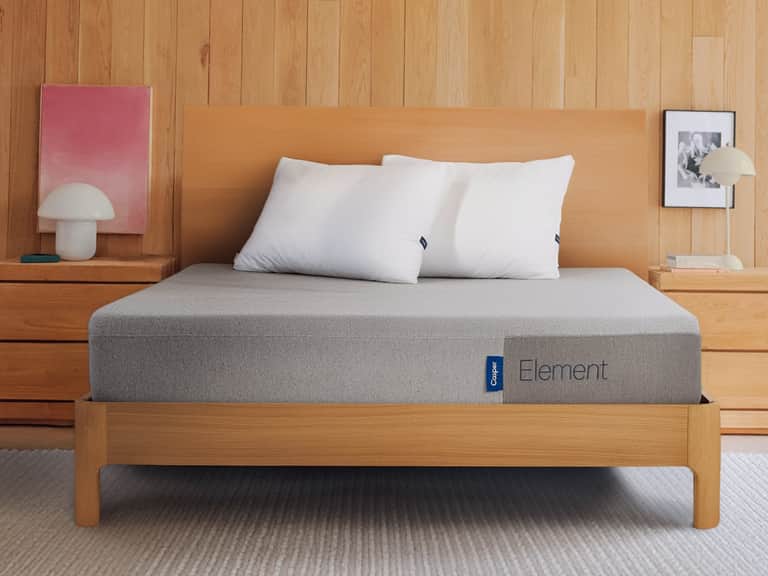
In the foam mattress category, the Element Mattress exemplifies how different foams work together to deliver comfort and functional benefits. It combines a soft upper layer for initial plush feel with a supportive base that minimizes sinkage, supporting spinal alignment and reducing motion transfer. Such configurations are suitable for varied sleep positions and body weights.
Other considerations include breathability and temperature regulation, often addressed through open-cell foams or integrated cooling technologies. A well-ventilated foam layer helps dissipate heat, contributing to a more stable sleep environment. The choice of cover materials and edge support also influences overall comfort and durability for foam-based systems.
When evaluating foam mattresses, assess how materials interact with bedding ecosystems, including pillows, sheets, and organic options. The durability of latex-infused foams and the eco-conscious aspects of manufacturing can align with broader bedding goals. This category informs decisions about comfort, support, and long-term sleep quality through reliable foam technology.
 Mattresses