Bedding · Fabric guide
Silk or TENCEL: What Makes a Sheet Feel Indulgent?
Indulgence in bed is less a matter of shine than of sensation: the first cool touch, the easy fall of fabric, the way a sheet moves when you turn. Silk and TENCEL™ Lyocell can both create a remarkably smooth sleep surface, but their pleasures are not quite the same. One is fluid and naturally lustrous; the other is light, soft, and often prized for its breathable, relaxed feel.
Understanding the difference means looking beyond labels. Fiber, weave, fabric weight, finishing, climate, and care all shape the experience. Whether you are comparing silk sheets and TENCEL Lyocell sheets or simply refining a bedroom that already feels comfortable, the details can help you find the version of luxury that suits your own nights.
The language of an indulgent sheet
“Indulgent” is a wonderfully evocative word, but it does not describe one universal texture. For some sleepers, it means a cool, smooth surface that slips lightly beneath the hand. For others, it means a fine drape that settles softly around the body, a gentle warmth, or the crisp freshness of a carefully made bed. A sheet can feel luxurious without being glossy, heavy, or especially high in thread count.
Three impressions often matter most: surface feel, drape, and temperature. Surface feel is the immediate sensation against skin. Drape describes how the fabric falls, gathers, or follows the body. Temperature is not a fixed property of a fiber alone; it depends on fabric construction, air movement, the room, the sleeper, and the rest of the bedding. Silk and TENCEL Lyocell approach these qualities differently, which is why a simple declaration that one is “better” rarely tells the whole story.
It is also useful to distinguish the fiber from the finished cloth. A material name tells you something about the raw fiber, but the weave and finishing determine much of what you actually feel. Silk woven into a particular construction can be more or less substantial, while Lyocell can be made into fabrics with different weights and textures. The hand of the finished sheet—not a single marketing phrase—is what meets you at bedtime.
Silk: a fluid, luminous softness
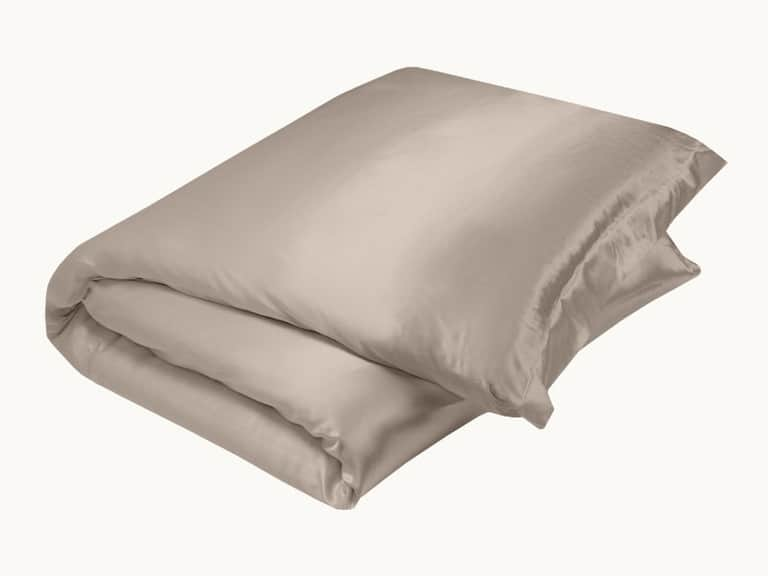
Mulberry silk is valued for its fine, smooth filaments and the subtle sheen they can lend to woven fabric. Against the skin, silk often feels sleek and fluid, with a graceful glide rather than a dry or crisp finish. Its drape can bring a sense of ease to a bed: the material falls softly, shifting with movement instead of holding a sharply tailored shape.
That smoothness is central to silk’s particular appeal. It can feel cool when first touched, especially in a room that is comfortably cool, then settle into a more temperate sensation as it warms. Silk is often described as temperature-regulating, but it should not be understood as an automatic climate-control system. A sleeper’s comfort depends on room temperature, humidity, the thickness of the fabric, the duvet or blanket above it, and individual physiology. The most dependable way to assess it is to think about your own habits: do you tend to feel warm under covers, or do you welcome a little more insulation?
Silk’s characteristic sheen also changes the visual mood of a bed. It reflects light softly and can lend a polished, almost liquid quality to the surface. That lustre may be precisely what some people want, while others prefer a matte, understated finish. In a layered bedroom, silk can be used as a tactile contrast against cotton, linen, or wool; the effect is less about formal opulence than about the interplay of textures.
Silk is not all identical. Fiber quality, fabric weight, weave, finishing, and construction influence how substantial or delicate a sheet feels. Momme is a unit commonly used to describe the weight of silk fabric; it is useful information, but it is not a complete measure of comfort or quality on its own. A higher number does not automatically mean a better match for every sleeper. Consider the fabric’s feel, the maker’s care guidance, and whether its weight suits the way you layer your bed.
Because silk can be more sensitive to harsh treatment than many everyday cotton or Lyocell sheets, maintenance deserves attention. Follow the care label rather than assuming that all silk can be washed in the same way. Where machine washing is permitted, a delicate cycle, cool water, mild silk-safe detergent, and a protective laundry bag may help reduce friction. Avoid bleach and strong enzymes unless the label specifically says otherwise. Air-drying away from direct heat and prolonged sunlight is often a gentler choice, and a cool iron or steamer should be used only when recommended.
TENCEL Lyocell: lightness with a soft, clean hand
TENCEL™ is a brand name associated with fibers made by Lenzing; Lyocell is the generic fiber category. TENCEL Lyocell is known for a smooth, soft hand and a light, supple drape. Depending on its weave and finish, it may feel cool and silky to the touch without the pronounced lustre or delicate quality many people associate with silk. For sleepers who want softness that feels easy and unfussy, that balance can be especially appealing.
Lyocell fibers are made from cellulose, commonly sourced from wood pulp. The production process and sourcing standards matter to environmental claims, so broad statements about sustainability should be checked against the specific product’s documentation. The fiber’s origin alone does not tell you everything about manufacturing, chemical management, water use, durability, or the full life cycle of a sheet. Labels and certifications, when present, can offer helpful context, but they are not a substitute for clear information about how a particular textile is made.
In bed, TENCEL Lyocell can be appreciated for a smooth surface that feels light rather than crisp. Many Lyocell sheets are designed with breathability and moisture management in mind. The final performance still depends on the weave, fabric density, finishing, and conditions in the room. A light, open construction may encourage more airflow than a dense, heavier cloth made from the same fiber. If you are prone to overheating, pay attention to the whole bedding system as well as the sheet: a heavy duvet, mattress protector, or closely fitted blanket can influence warmth considerably.
Lyocell’s surface can be a satisfying middle ground for anyone who likes a silky touch but does not want a high sheen. It is often soft from the outset, with a drape that feels relaxed and contemporary. The visual impression tends to be quieter than glossy silk, particularly in a matte or subtly lustrous weave. That makes it easy to pair with linen coverlets, cotton pillowcases, or textured blankets without creating a bedroom that feels overly polished.
Care instructions vary by construction, so check the label before washing. In general, a gentle cycle, a moderate water temperature, and mild detergent are sensible starting points when the maker permits machine washing. Avoid overloading the drum, since tightly packed laundry creates unnecessary friction. Tumble drying on low or line drying may be suitable depending on the fabric and care guidance. Remove sheets promptly to reduce creasing, and avoid high heat unless the manufacturer explicitly recommends it. A little care can help preserve softness and shape over repeated wash cycles.
Silk versus TENCEL Lyocell at a glance
Both materials can offer a smooth, refined sleep surface, but they answer different preferences. Use this comparison as a guide rather than a ranking: the construction of an individual sheet can shift the experience in meaningful ways.
| Consideration | Silk | TENCEL Lyocell |
|---|---|---|
| Surface feel | Sleek, fluid, and often notably smooth | Soft, smooth, and generally understated |
| Appearance | Often has a gentle, recognizable sheen | Can range from matte to subtly lustrous |
| Drape | Usually graceful and fluid | Light and supple, depending on weave and weight |
| Temperature impression | May feel cool at first touch and then adapt to the bed’s conditions | Often chosen for a light, breathable feel; construction remains important |
| Care | May call for delicate handling and more attention to washing | Often practical to launder, but care requirements depend on the finished fabric |
| Best suited to | Those drawn to lustre, glide, and a distinctly fluid finish | Those who prefer soft, lightweight comfort with a less glossy look |
Which feels cooler?
“Cool to the touch” and “keeps me comfortable all night” are related but different ideas. A fabric may feel pleasantly cool when you first lie down, yet the warmth you experience later depends on how heat and moisture move through the entire bed. Fiber, weave, thickness, room conditions, mattress materials, sleepwear, and duvet fill all contribute.
Silk often has a smooth, cool first impression, while lightweight Lyocell can also feel fresh and breathable. Neither is a guaranteed solution for night sweats or persistent overheating. If you sleep hot, look for fabric that is light enough for your climate, avoid unnecessarily heavy layering, and consider whether your mattress protector or comforter is trapping heat. A sheet cannot compensate for every other layer.
For warm weather, a lighter sheet with an open, airy construction may be more comfortable than a dense fabric. In colder months, the same sheet can still work when paired with warmer layers. The advantage of choosing a versatile base layer is that you can adjust the bed seasonally rather than expecting one textile to do everything.
How to choose the right sheet for your routine
Start with sensation, not prestige. If you love a luminous finish and the feeling of fabric gliding beneath your hand, silk may be the more compelling choice. If you prefer a soft, smooth surface with a quieter appearance and a lighter everyday feel, TENCEL Lyocell may be closer to your idea of indulgence. When possible, assess a fabric swatch or feel the material in person; a short encounter with the cloth can be more informative than a long list of adjectives.
- Think about your preferred finish. Choose silk if you welcome a subtle sheen; consider Lyocell if you lean toward a restrained, modern look.
- Consider your temperature habits. If you often feel warm, look for a light construction and review the other layers on your bed, not just the fiber name.
- Be realistic about care. If laundry needs to be simple, check wash and drying instructions before choosing a delicate fabric.
- Look at the full specification. Fiber content, weave, fabric weight, finish, fit, and care instructions together give a more complete picture than thread count alone.
- Check the fitted-sheet dimensions. Mattress depth, including any topper, should be compatible with the pocket depth and elastic construction.
- Consider longevity. Gentle washing, prompt stain treatment, and suitable storage can help protect either material from avoidable wear.
Thread count is often given prominent attention in sheet descriptions, but it is not a universal quality score across different fibers and constructions. It describes the number of threads in a defined area of woven fabric, and its meaning depends on how the textile is made. For silk and Lyocell, the fiber, yarn, weave, finishing, and weight may be more useful clues to the hand and performance you can expect. Be cautious of comparisons that treat one number as proof of superiority.
The small details that make a bed feel considered
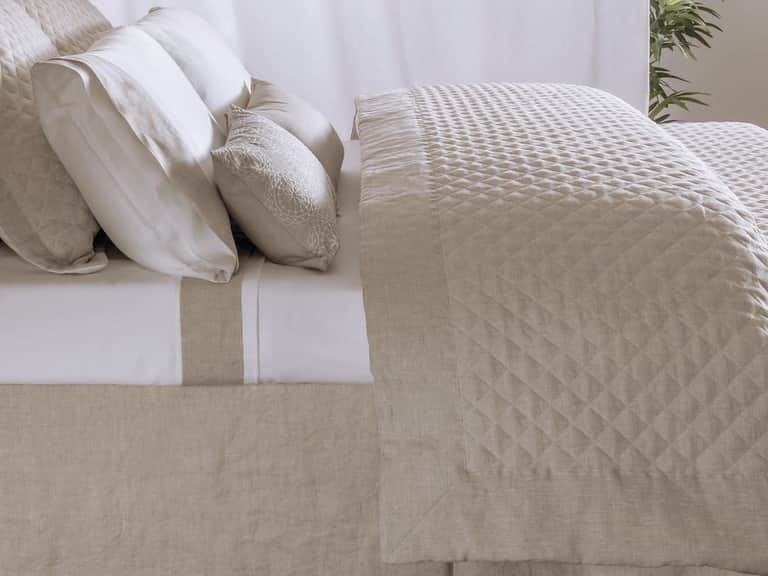
An indulgent bed is composed, not merely expensive. A fitted sheet that stays in place, pillowcases that suit your preferred texture, and a duvet cover that does not feel too heavy can matter as much as the headline fabric. Keep the palette calm if you want the material’s surface to take focus: soft white, muted clay, warm grey, or pale blue can show texture without making the bed feel overworked. Alternatively, mix a sleek sheet with a tactile coverlet for contrast.
Think in layers that have distinct jobs. The sheet is the closest textile to the body, so its hand and temperature matter immediately. A duvet cover protects the insert and contributes another layer of feel. A blanket or coverlet can add warmth and visual depth, but should be easy to remove when the room changes temperature. Mixing textures thoughtfully—smooth against nubby, matte beside lustrous—often creates a more personal kind of luxury than matching every piece.
Care is part of that considered approach. Wash sheets at a frequency that suits your household and follow the care label. Separate delicate fabrics from items with zippers, hooks, or rough surfaces that can snag. Use detergent sparingly, because excess residue can affect how fabric feels. Store clean bedding fully dry, away from direct sunlight and damp conditions. A breathable cupboard or linen drawer helps keep fabric fresh between uses.
Common assumptions worth reconsidering
“Silk is always cooler.” Silk can feel cool and smooth, but warmth depends on fabric weight, weave, the room, and bedding layers. A dense silk fabric under a heavy duvet may not feel cooler than a lightweight Lyocell sheet in a well-ventilated bed.
“TENCEL means every sheet performs the same way.” TENCEL identifies a branded fiber, not one fixed sheet construction. Weave, weight, finishing, and laundering all affect the final feel. Compare complete specifications where possible.
“The highest thread count is automatically the most luxurious.” Thread count cannot capture every quality that matters, and it is not equally meaningful for all fibers. A fabric’s hand, durability, breathability, and construction deserve attention alongside any number on the label.
“Natural or plant-based automatically means better for everyone.” Material preference is personal, and sustainability is a wider question than fiber origin. Manufacturing, sourcing, product life, and care all matter. Look for specific, verifiable information rather than relying on broad claims.
A final word on choosing indulgence
Silk and TENCEL Lyocell offer two distinct interpretations of a refined sheet. Silk brings a fluid glide, subtle lustre, and an unmistakably elegant presence. TENCEL Lyocell offers a soft, light hand and a more understated finish that can feel effortlessly at home in everyday bedding. Neither material is universally superior; the right choice is the one whose texture, appearance, temperature impression, and care demands fit your actual life.
Let your preferences lead. Notice whether you reach for crispness or softness, matte texture or sheen, low-maintenance simplicity or a more delicate ritual. Consider the climate of your bedroom and the weight of your other layers. Then read the fabric details closely and care for the sheets as directed. Luxury, at its most persuasive, is not a label but a nightly comfort you continue to enjoy.
Frequently asked questions
Are silk sheets softer than TENCEL Lyocell sheets?
They can both feel very smooth, but “soft” is subjective. Silk is often recognized by its sleek glide and fluid surface, while Lyocell commonly feels soft and smooth with a lighter, less glossy impression. The weave and finish can change either experience.
Are TENCEL Lyocell sheets suitable for hot sleepers?
Many people choose lightweight Lyocell for its smooth, breathable feel, but no fiber guarantees a cooler night. Fabric construction, room temperature, mattress materials, sleepwear, and the weight of the duvet all contribute to comfort.
Do silk sheets require special care?
Silk often benefits from gentler handling, but the correct method depends on the product. Always follow its care label. If machine washing is permitted, use the recommended cycle, detergent, water temperature, and drying method.
What should I compare besides the fiber name?
Look at weave, fabric weight, finish, fitted-sheet dimensions, care instructions, and any sourcing or certification details that matter to you. Together, these provide a more useful picture of the finished sheet than a single specification alone.